It's 97° Outside. What should you expect from your AC?

July 17, 2026

If it's been in the mid to upper 90s and your house won't get below 75° or 76°, your first thought is probably, "Something's wrong with my air conditioner."


We've been hearing that from homeowners from Harriman to Jefferson City, down through Tellico Village, and just about everywhere in between over the past couple of weeks.


Sometimes that's true.

But during a stretch of weather like we've had, it may be perfectly normal.


As a general expectation, when it's around 95° outside, many properly operating residential systems will keep the home somewhere around 75° during the hottest part of the day. That's not a rule, and it isn't the right number for every house, but it's a realistic benchmark for a lot of homes.


The answer usually isn't as simple as the number on the thermostat.

Your air conditioner isn't just cooling the air. It's trying to keep up with everything adding heat to your home. By late afternoon, your roof has been baking in the sun for hours. The attic is much hotter than it was that morning. Sunlight has been pouring through the windows all day. Every time a door opens, warm, humid air comes inside. If you've been cooking dinner, doing laundry, or running the dishwasher, you've added even more heat for the system to remove.


That's especially true here in East Tennessee, where high humidity makes every cooling system work harder.


Some homes simply have advantages that others don't. Better insulation, newer windows, shade trees, tight ductwork, and a well-sealed attic can all make a noticeable difference. On the other hand, an older home with west-facing windows, attic heat, or leaking ductwork may simply have a bigger job for the air conditioner to do.


That's why we don't compare your house to your neighbor's.

We compare your system to how your home normally performs.

If your house has always settled around 75° during the hottest part of the day and then cools back down once the sun starts dropping, that's one thing.


If it has comfortably held 72° every summer until now, that's another.

That change is what gets our attention.


One thing people often notice during heat waves is that the air conditioner seems to run all afternoon. In many cases, that's completely normal. Longer run cycles aren't necessarily a bad thing. They allow the system to keep removing humidity, and humidity has a huge impact on how comfortable your home feels. Two houses can both be 75°, but the one with lower indoor humidity will almost always feel cooler.


We also see homeowners turn the thermostat way down, hoping the house will cool faster. It's a common reaction, but residential air conditioners don't work that way. Setting the thermostat to 68° instead of 74° won't make the house cool any faster. It simply tells the system to keep running until it reaches the lower temperature, if it's able to.


Before scheduling an AC repair visit, there are a few things worth checking yourself:


Replace the air filter if it's due. Make sure furniture or rugs aren't blocking supply or return vents. Close blinds or curtains on windows that get direct afternoon sun. Take a quick look at the outdoor unit and make sure it's not covered in grass clippings, leaves, or spring pollen. If one room is consistently warmer than the rest of the house, make a note of it. That's helpful information if you end up needing service.

If everything checks out but your home still isn't cooling the way it normally does, that's when it's worth taking a closer look. A professional HVAC technician can determine pretty quickly whether the issue is with the equipment itself, or if something else affecting your home's comfort.


That's where we come in.

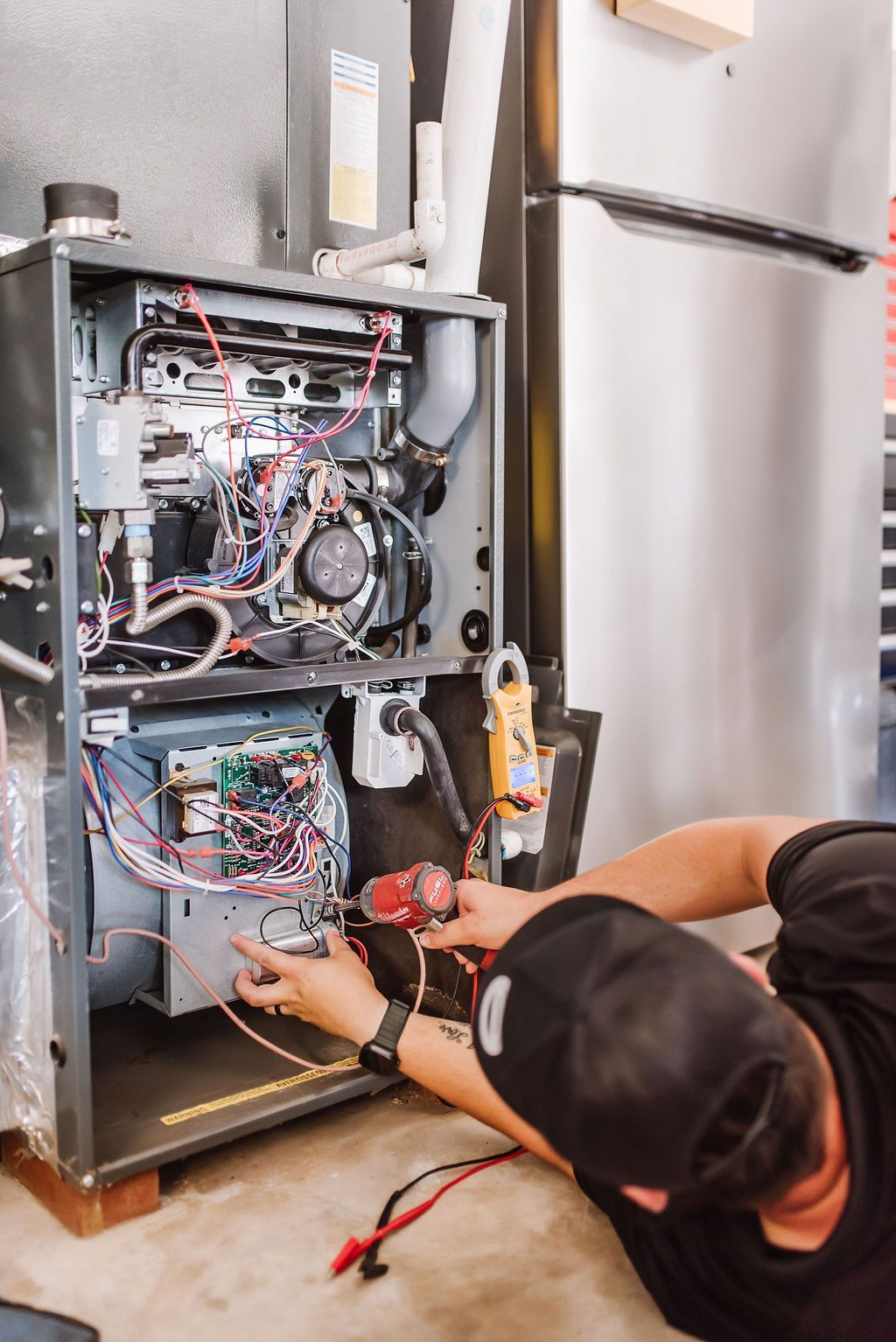
Over the past few weeks, we've been out on air conditioning repair calls across East Tennessee and have found dirty outdoor coils that couldn't reject heat efficiently, weak capacitors that finally gave out after days of heavy run time, blower wheels that had gradually lost airflow from dust buildup, refrigerant charges that were just low enough to matter, failing condenser fan motors, blocked condensate drains, damaged ductwork, return air restrictions, and even simple maintenance items that had been overlooked.


Extreme heat doesn't create those problems, it just makes them much easier to notice.

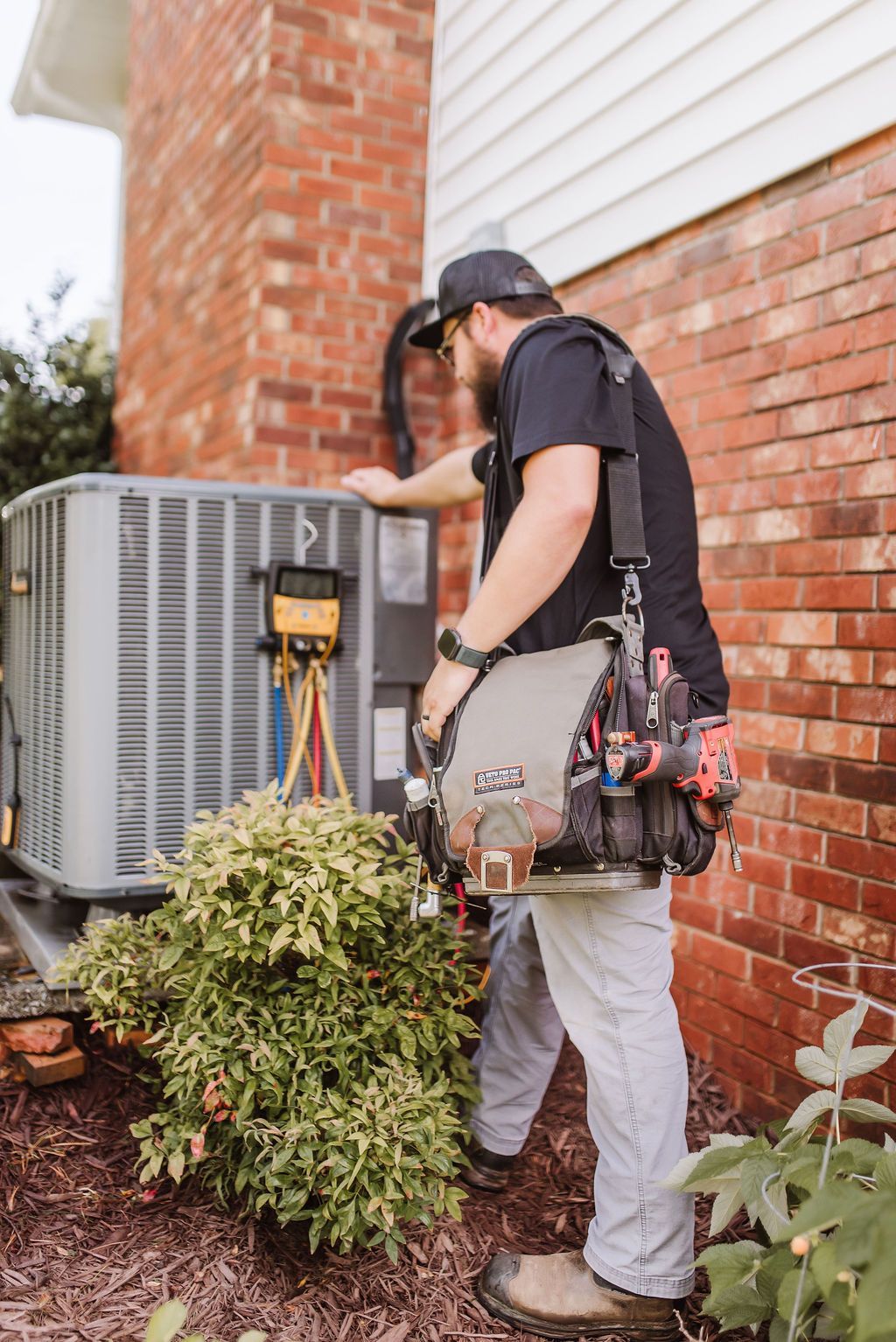
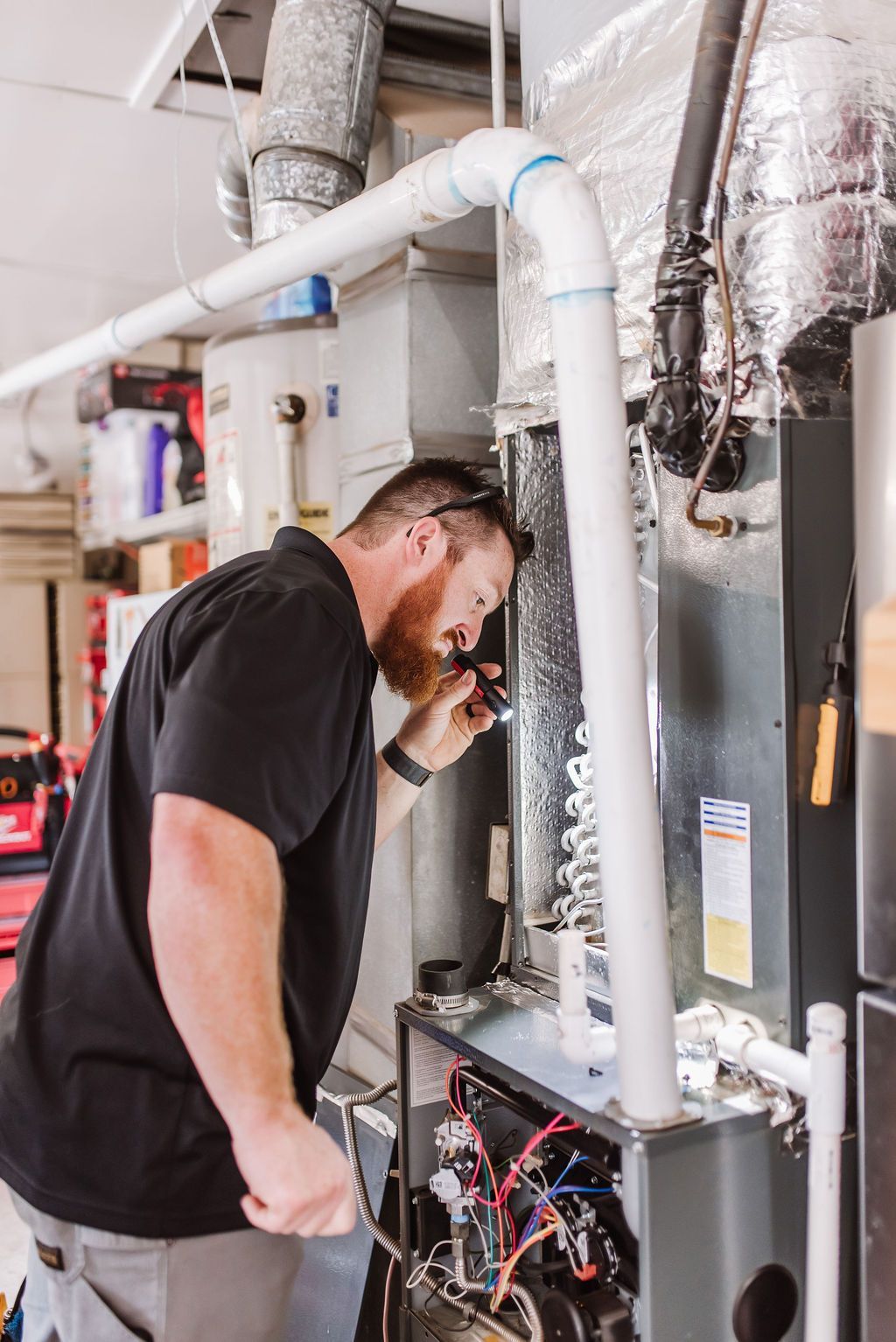
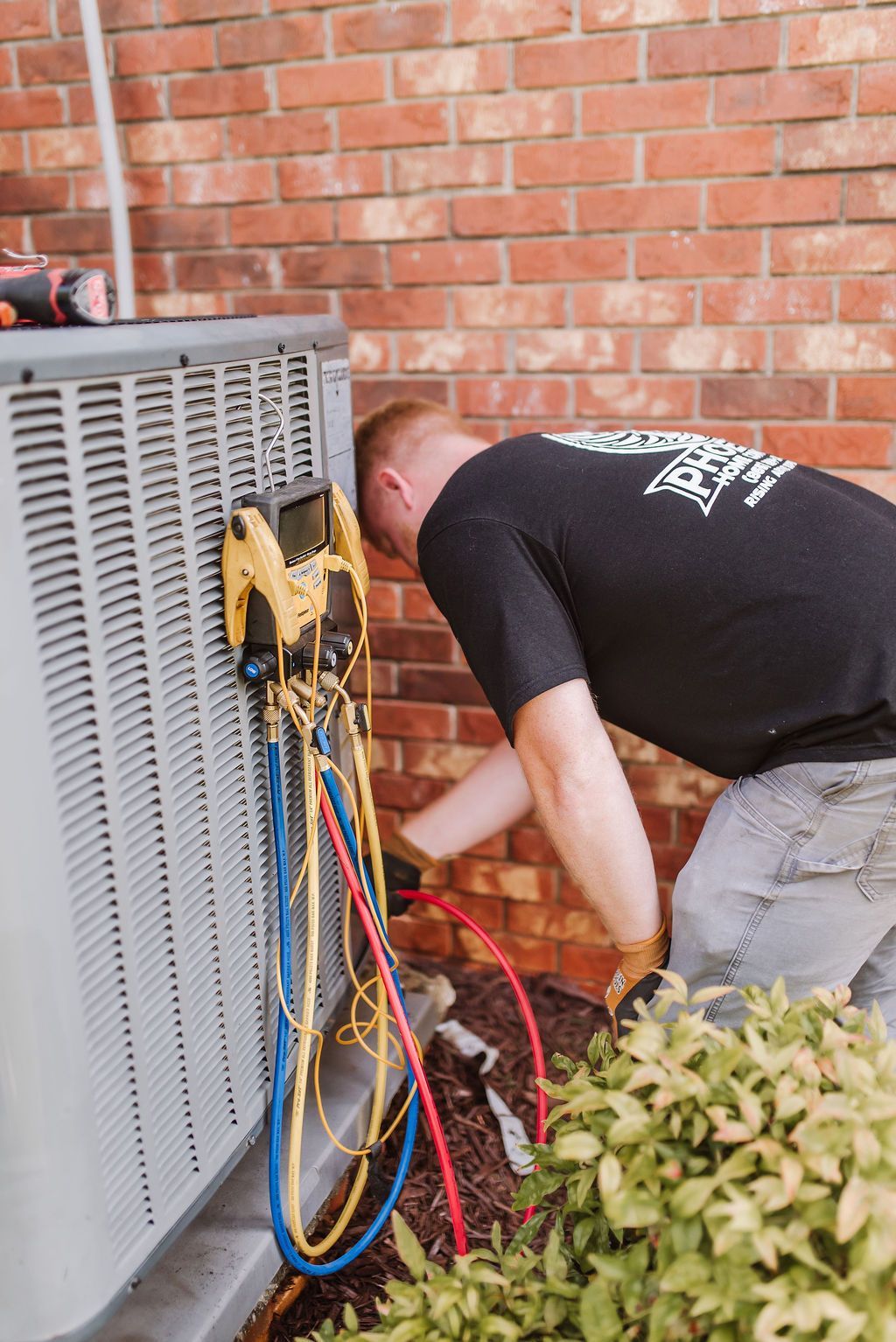
A good air conditioning service visit isn't about finding a broken part. We're looking at the whole cooling system. Airflow, temperature split, refrigerant charge, electrical components, blower performance, condensate drainage, and the condition of the ductwork all play a role in how well your home stays comfortable when the weather is at its worst.


There are a few signs that shouldn't wait, though. If the temperature in your home keeps climbing even after the sun goes down, the air coming from the vents no longer feels cool, or the system starts turning on and off every few minutes instead of running a normal cooling cycle (known as short cycling), those are all good reasons to schedule an HVAC repair visit sooner rather than later. Those aren't typical hot-weather symptoms, and they're usually a sign that something needs attention.


To go along with the 97° temperatures we've been seeing, we're running a 97° Summer A/C Tune-Up for $97.

This visit is focused specifically on your home's cooling system, giving us the chance to see how it's performing during some of the hottest weather of the year. We'll clean the components that affect cooling performance, test electrical components, verify refrigerant operation, check airflow and temperature split, inspect the condensate drain, and make sure your air conditioner is ready for the rest of the summer.


Sometimes we find a simple maintenance issue. Sometimes an air conditioner repair is needed. Sometimes everything checks out exactly the way it should.


Either way, you'll know where things stand before the next heat wave rolls in.


From Harriman to Jefferson City, down through Maryville, and all across East Tennessee, that's the kind of peace of mind we hope every homeowner has going into the hottest part of the season.

May 28, 2026
You turn the system on, it runs like it should, and technically everything’s working… but the house just doesn’t feel the same as it used to. It takes a little longer to cool down, one room never quite gets there, and you end up dropping the thermostat another degree just to get it where you want it. Nothing you can point to as broken, just enough of a difference that you notice it. That’s been coming up a lot lately. This time of year is kind of a test run for your AC. East Tennessee’s warm enough that your system’s doing real work, but not so hot yet that it’s getting pushed to its limit. When something is slightly off, the system can still keep up… it just has to work a little harder to do it. Most of the time, it’s not one big issue. It’s small things stacking up over time. A coil that’s picked up dirt. Airflow that’s not quite right somewhere in the ductwork. Refrigerant that’s a little low, even if nobody’s caught it yet. Parts that haven’t failed, but aren’t as strong as they used to be. Left alone, that added strain starts to wear on the components doing the extra work. The system can keep up for now, just not as efficiently. When the heat really settles in, that’s when the difference shows.

Technician in orange hard hat inspecting HVAC.
May 4, 2026
For an expert local HVAC contractor in Maryville, TN, trust Phoenix Home Comfort. Visit our website for more info and personalized service.
TVA dam system in East Tennessee representing the TVA EnergyRight program
March 11, 2026
Learn what the TVA EnergyRight program means for HVAC systems in East Tennessee homes and why proper system design and installation matter for comfort and efficiency.
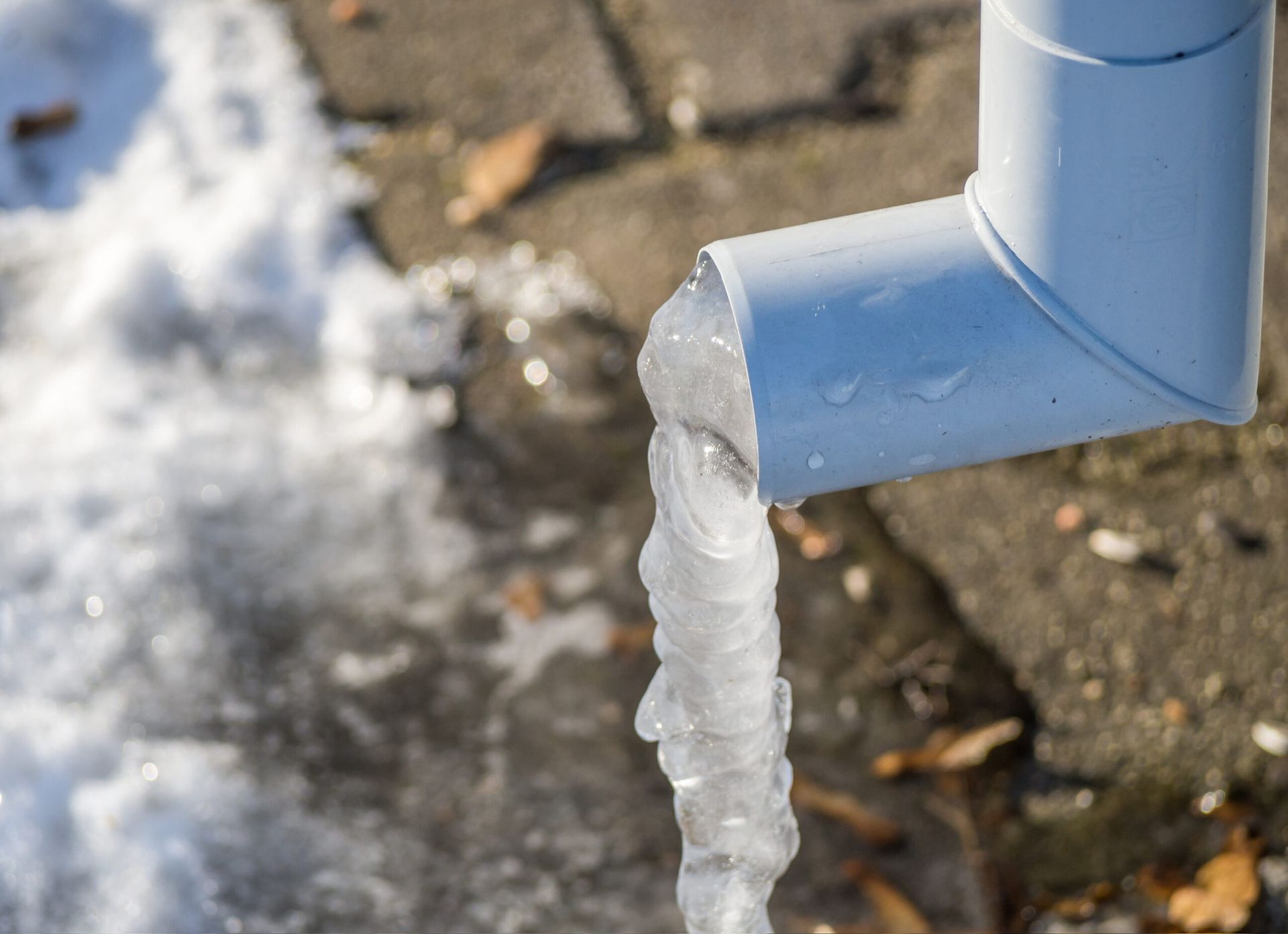
White downspout with ice hanging from the end, snow and pavement visible.
February 11, 2026
Common Winter Problems We See in East Tennessee
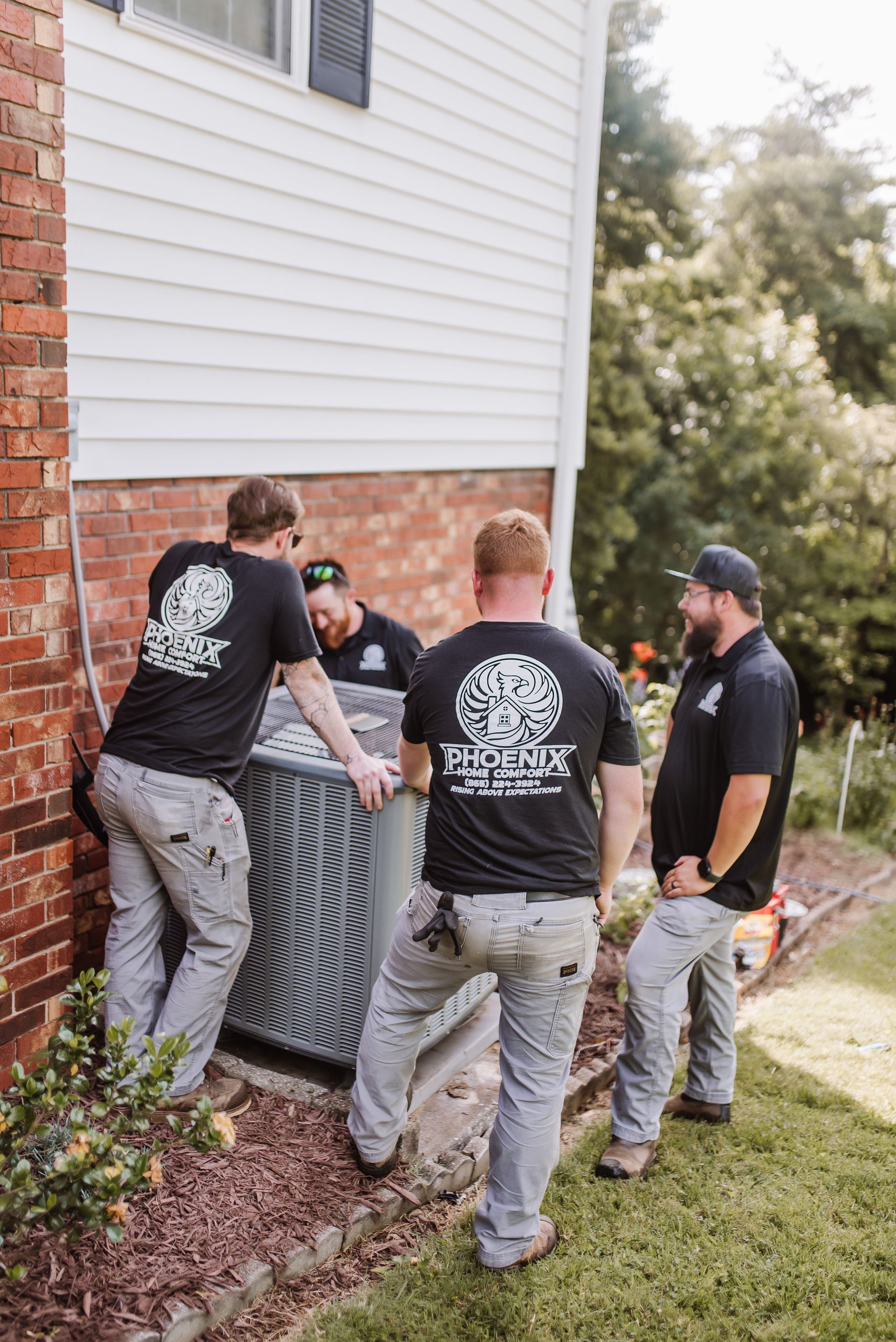
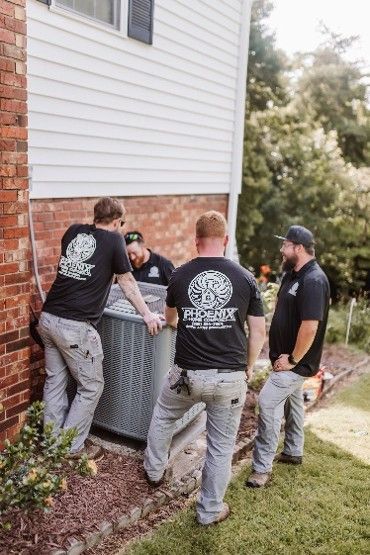
Four workers lifting an air conditioning unit near a house. They wear matching shirts and pants.
January 16, 2026
Explore HVAC insights from Phoenix Home Comfort in East Tennessee. Stay informed and call 865‑224‑3924 for expert service today.